Resident Coho / Silver Salmon
Fishing Charters
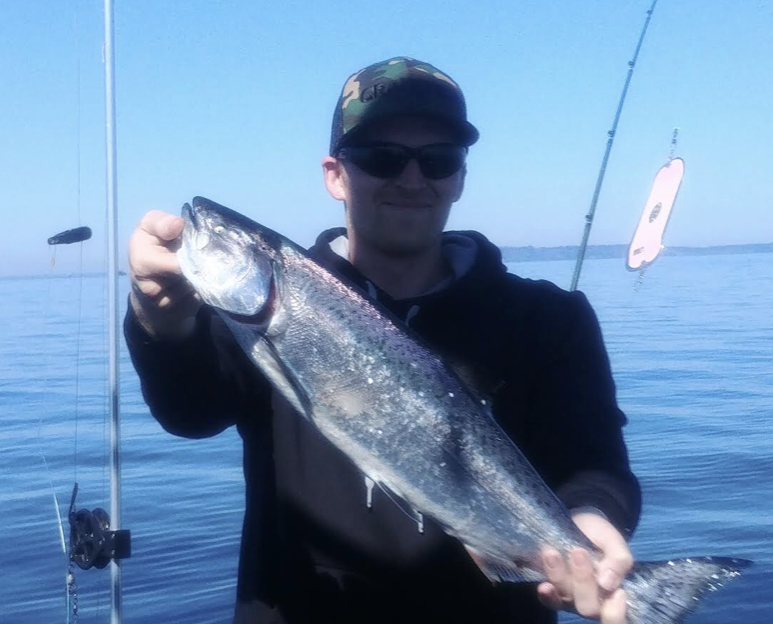

Seattle / Puget Sound Washington
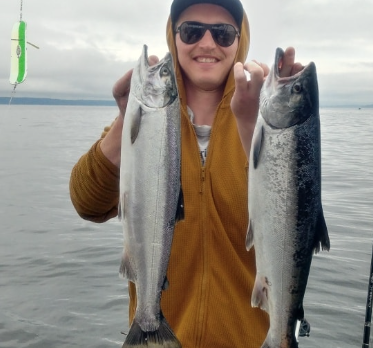
Fish For Resident Coho In Puget Sound
The “Resident” Strategy
Because Resident Coho are smaller and more surface-oriented than the deep-dwelling King Salmon, you should adjust your gear:
-
Trolling Speed: Increase your speed! While we often troll slow for Kings, Coho love a chase. Aim for 2.5 to 3 knots. This makes your flasher move with more “snap,” which residents find irresistible.
-
Shallow Depth: You don’t need to go to the “basement” for these fish. Keep your downriggers between 30 and 60 feet. Early in the morning or on cloudy days, they may even be right at the surface in the top 15 feet.
-
The “Pink” Secret: For some reason, Puget Sound Coho have a serious sweet tooth for the color pink. A small pink “Hoochie” (rubber squid) or a pink-and-white “Coho Killer” spoon behind a medium-sized flasher is often the ticket to a limit.
Captain’s Tip: If you see birds (like Terns or Gulls) diving and screaming over a patch of water, don’t walk—troll over there immediately. Those birds are the “lookouts” showing you exactly
FAQ’s
When is the best time to book a Coho salmon charter?
Coho hit our waters in massive numbers starting in August, with the absolute peak “resident” and ocean-run action happening from late August through September. They are incredibly aggressive and put up a spectacular, acrobatic fight.
Can we keep wild Coho, or only hatchery-marked fish?
This depends on the exact week and WDFW emergency rules. Usually, early in the season, we can only keep hatchery Coho (identified by a clipped adipose fin). Later in September, rules often open up to allow retention of wild Coho. We will always clarify the exact rules of the day before we drop lines.
What is the technique for catching Coho?
Coho feed higher in the water column than Kings. We troll for them at faster speeds closer to the surface, often using smaller spoons, hoochies, or fresh cut-plug herring. When a school of Silvers hits, it’s common to get double or triple hookups!
Do Coho taste as good as King salmon?
Absolutely. While they have slightly less oil content than a King, Coho have a gorgeous, bright red meat and a milder, cleaner flavor. They are phenomenal for the grill, cedar planks, or the smoker.
How far do we have to travel from Edmonds to find the Silvers?
Not far at all. Some of the best Coho intercept points in the entire state—like the “Oil Docks,” Possession Bar, and Jefferson Head—are just a 10 to 20-minute boat ride from the Edmonds Marina.

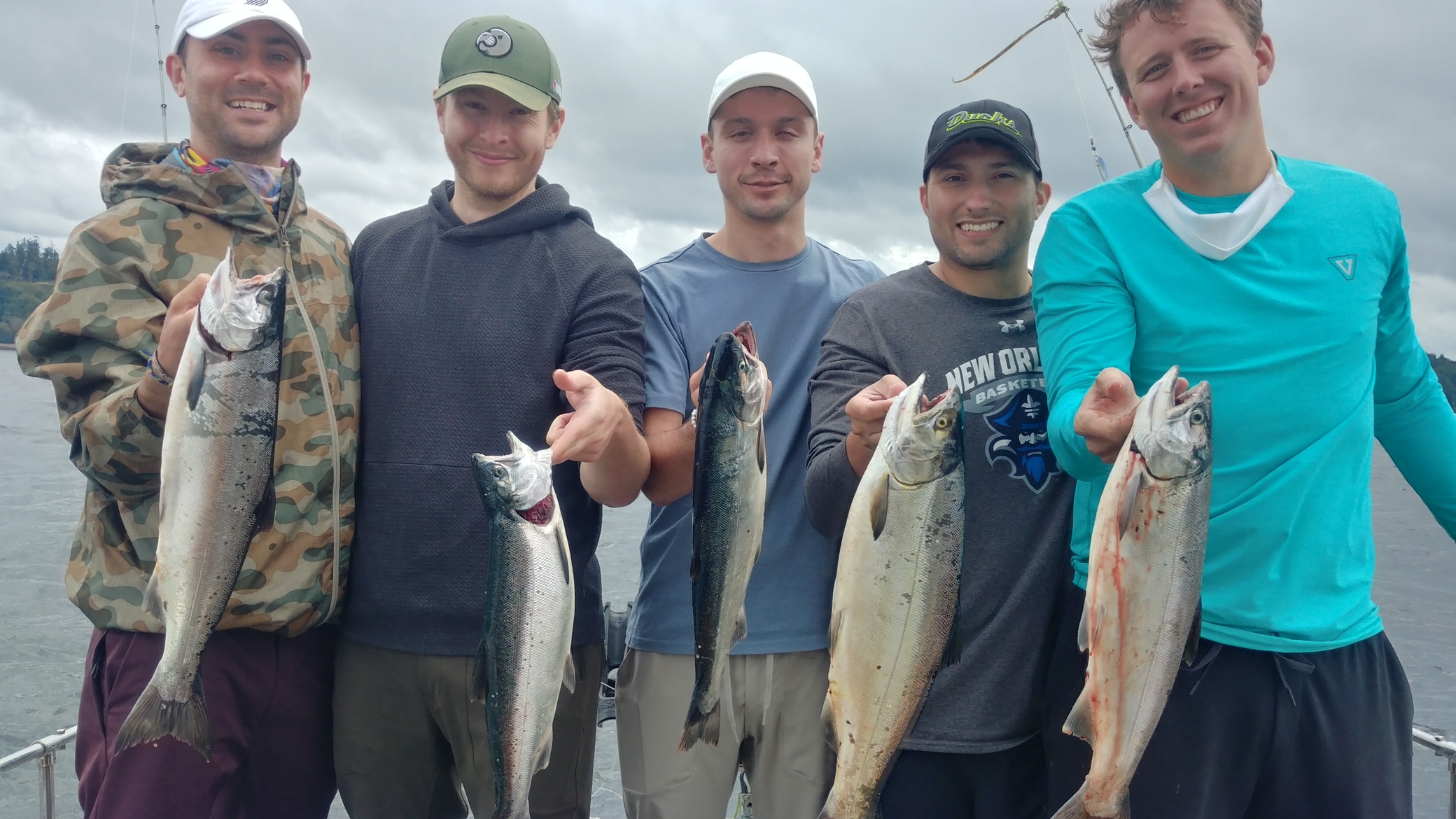
What Makes Resident Coho So Good To Eat?
The reason Resident Coho (often called “Residents” or “Silvers”) are such high-quality table fare comes down to their lifestyle and their diet. Unlike their ocean-run cousins who spend years traveling thousands of miles in the rough Pacific, Residents stay right here in the “neighborhood” of the Puget Sound.
Think of it like the difference between a long-distance marathon runner and someone who spends their life at a high-end buffet.
1. The “Gourmet” Diet
Because they stay in the protected waters of the Sound, Resident Coho spend their entire lives gorging on a very specific menu: Marine Invertebrates and Small Baitfish.
-
The Krill Factor: Early in their life cycle, Residents eat a massive amount of tiny shrimp-like krill and crab larvae. These are packed with astaxanthin, the same natural pigment that gives lobster and shrimp their bright color.
-
The Result: This diet turns their meat a vibrant, deep “burnt orange” or red. It also packs the meat with healthy Omega-3 oils, making the flavor rich and buttery compared to other fish.
2. Perfect Fat Content (The “Energy Tank”)
When a salmon goes to the ocean, it grows huge, but it has to burn a massive amount of energy to survive the open sea and make the long trek back.
-
Stored Energy: Resident Coho don’t have to travel far to find food or to eventually reach their home rivers. Because their “commute” is short, they keep more of that healthy fat in their muscles rather than burning it off as fuel.
-
The Result: When you put a Resident Coho on the grill, that stored fat melts into the meat, keeping it incredibly moist and flaky.
3. The “Pre-Spawn” Advantage
One of the biggest secrets to why they taste so good is timing.
-
Ocean-run Salmon often stop eating the moment they hit fresh water, and their bodies begin to change as they prepare to spawn. This can make the meat “mushy” or lose its flavor.
-
Residents are caught while they are still in their “active hunting” phase in saltwater. They are in peak physical condition, their scales are “chrome bright,” and their energy is focused on eating, not spawning. This means you are getting the fish at the absolute height of its nutritional value.
4. “Kitchen-Ready” Size
While a 30-pound King Salmon is a trophy, a 3-to-5 pound Resident Coho is often considered the “perfect” kitchen fish.
-
Consistency: The fillets are a manageable size, usually about the length of a cedar plank or a standard frying pan.
-
Texture: Because they are younger and haven’t developed the tough connective tissues of a 4-year-old ocean giant, the meat is incredibly tender—almost like a cross between a traditional salmon and a delicate trout.
Captain’s Cooking Tip:
Because Resident Coho have such high oil content and delicate meat, less is more.
-
Keep it Simple: A little lemon, a sprig of dill, and a dash of butter is all you need.
-
Don’t Overcook: Since these “treasures” are smaller than Kings, they cook fast! Aim for a nice medium-rare to medium (about 125°F to 135°F) to keep that “melt-in-your-mouth” texture that makes them so famous in the Pacific Northwest.
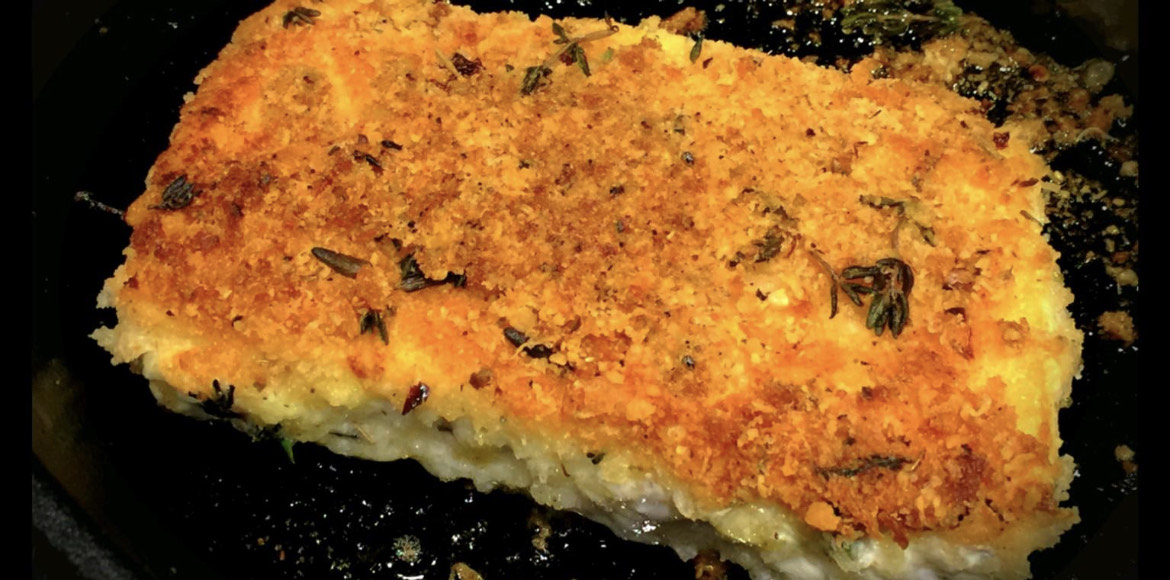
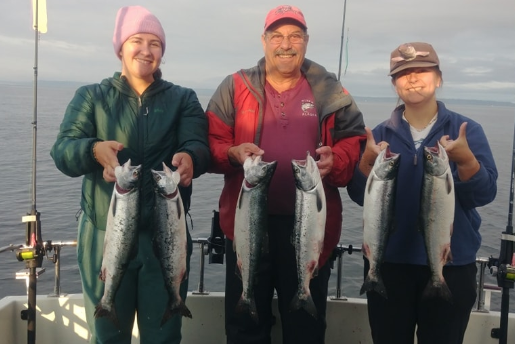
To grill the perfect Resident Coho fillet over charcoal, you have to treat it like the “treasure” it is. Because these fish are leaner and more delicate than a giant King Salmon, the goal is a hot, fast sear that locks in the moisture without drying out that beautiful orange meat.
Here is how to master the charcoal hunt for the perfect meal:
1. The “Prep” Stage: Readying the Catch
Before you even touch the grill, you need to prepare the fillet.
-
Dry is Key: Take your fillet out of the fridge and pat it bone-dry with paper towels. If the skin is wet, it will stick to the grill.
-
The Room Temp Trick: Let the salmon sit on the counter for about 15–20 minutes. Putting a freezing cold fish on a hot grill causes the muscles to “seize,” which pushes out those tasty juices (the white stuff you sometimes see on salmon called albumin).
-
Simple Seasoning: Coho has a spectacular natural flavor. Coat it lightly with a high-smoke-point oil (like avocado or canola) and season generously with coarse sea salt and cracked black pepper. Save the lemon and herbs for the very end!
2. The “Fire” Stage: Building the Neighborhoods
On a charcoal grill, you want Two-Zone Cooking.
-
The Hot Zone: Pile your lit coals on one side of the grill. This is your “Searing Station.”
-
The Cool Zone: Leave the other side empty. This is your “Safety Zone” if the fish starts to flare up or is cooking too fast.
-
Clean the Gates: Once the grates are hot, scrub them with a wire brush and then rub them with an oil-soaked paper towel (use tongs!). A clean, oiled grate is the only way to keep the skin from sticking.
3. The “Hunt” Stage: The Grill
-
Skin-Side Down First: Place the fillet skin-side down directly over the coals.
-
The 70/30 Rule: Cook the fish about 70% of the way on the skin side. This protects the delicate meat from the direct flame and allows the skin to get “potato-chip crispy.” This usually takes about 4–6 minutes depending on the thickness.
-
The Flip: When the meat has changed color about halfway up the side, gently slide a thin spatula under the skin. If it’s crispy, it should release easily. Flip it onto the flesh side for the final 2–3 minutes.
4. The “Finish” Stage: Don’t Over-Hunt It!
This is where most people lose the treasure.
-
The Temperature: Coho is best served Medium-Rare to Medium. Pull it off the grill when the internal temperature hits 125°F to 130°F.
-
Carry-Over Cooking: The fish will continue to cook for a few minutes after you take it off the heat. If you wait until it looks “done” on the grill, it will be dry by the time you eat it.
-
The Rest: Let it rest for 5 minutes. This allows the juices to move back into the center of the fillet.
The “Secret Weapon” Finish
While the fish is resting, hit it with:
-
A squeeze of fresh lemon juice (the acid cuts through the rich oils).
-
A small pat of salted butter to melt over the top.
-
A sprinkle of fresh dill or chives.
The Result
You’ll have a fillet with skin that cracks like a cracker and meat that flakes apart with a fork, tasting exactly like the Pacific Northwest forest—smoky, rich, and buttery.
Pro Tip: If you want that extra “woodsman” flavor, toss a handful of alder or cedar wood chips onto the coals right before you put the fish on. The sweet smoke is the perfect partner for a Resident Coho!